The Jewish History of Tannersville, New York: A Village in the Catskills Paperback – 2018
by Gary J. Lelonek
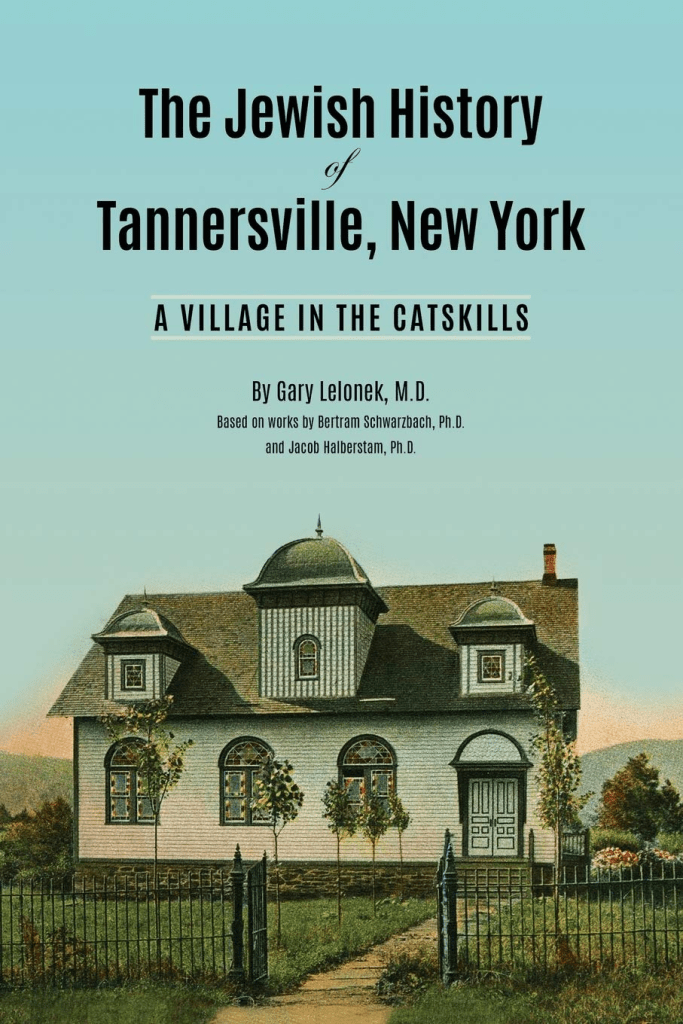
The Jewish History of Tannersville, New York: A Village in the Catskills Paperback – 2018
by Gary J. Lelonek
Description: Tannersville, NY: self-published, 2018. 1st Edition . Soft cover. Fine. 16037 shelf. Unread. Slim trade paperback, pictorial sky blue covers. No names, clean text. With a few b/w photos, repros. “based on works by Bertram Schwarzbach and Jacob Halberstam.” Fascinating!
Jewish Community of Tannersville, by Dr. Gary J. Lelonek (August 23, 2018)
Tannersville’s 140-year Jewish history reflects the development of Judaism in America. Every summer at the turn of the century, 40,000 Americans visited Tannersville’s sixty-five boarding houses and hotels. In the early 1900s, Tannersville had more than a dozen kosher boarding houses. Writers Mark Twain and Arthur Brisbane interacted with Jewish boarders and later wrote about them.
In the early 1900s, Tannersville was the vacation home to Jewish leaders and sports legends as well as the setting for Jewish organizational meetings pivotal to the development of Judaism in America and Israel.
Rabbi Solomon Schechter of the Jewish Theological Seminary and Macy’s owner Nathan Strauss vacationed in Tannersville. The annual Tannersville conventions for the American Federation of Zionists and the Jewish Theological Seminary debated the understanding of being Jewish in America; Patriotism vs Zionism, Reform vs Conservative vs Orthodox. Boxing legend Benny Leonard, “The Ghetto Wizard,” trained in Tannersville for his 1923 Yankee Stadium lightweight boxing title match versus Lew Tendler. The record-breaking title bout is considered one of the greatest boxing matches in history.
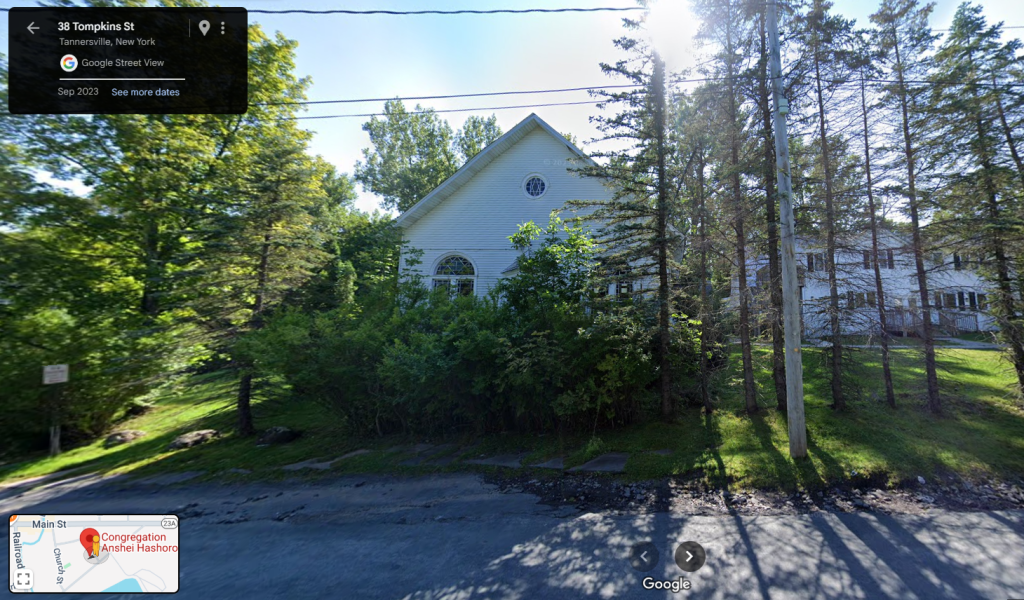
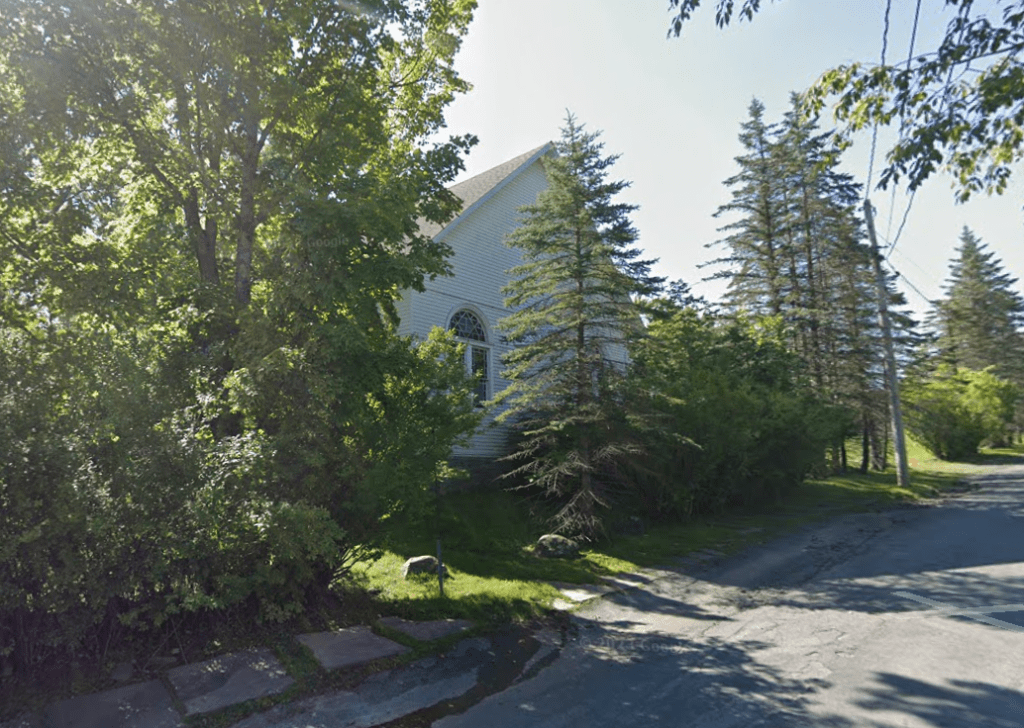
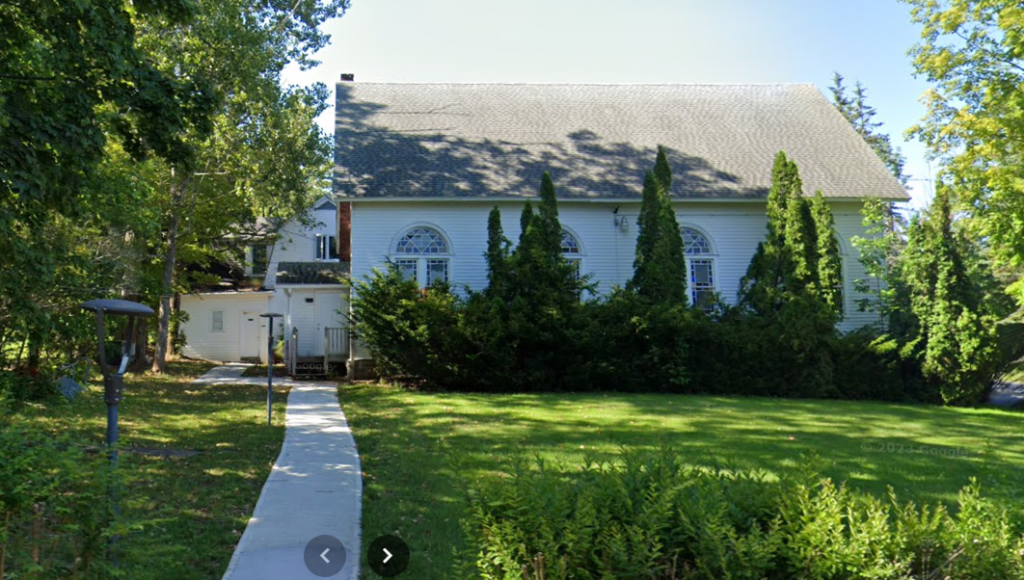
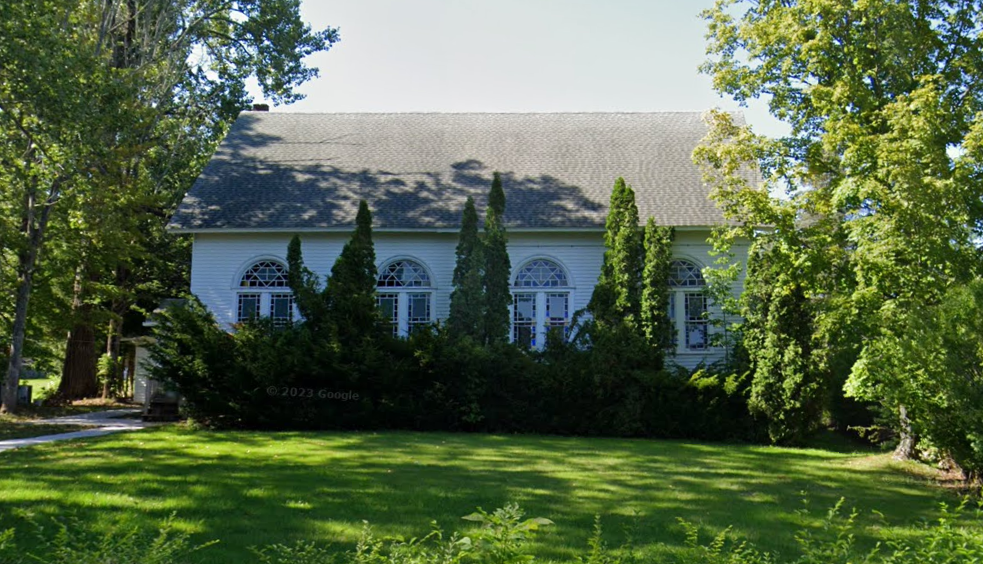
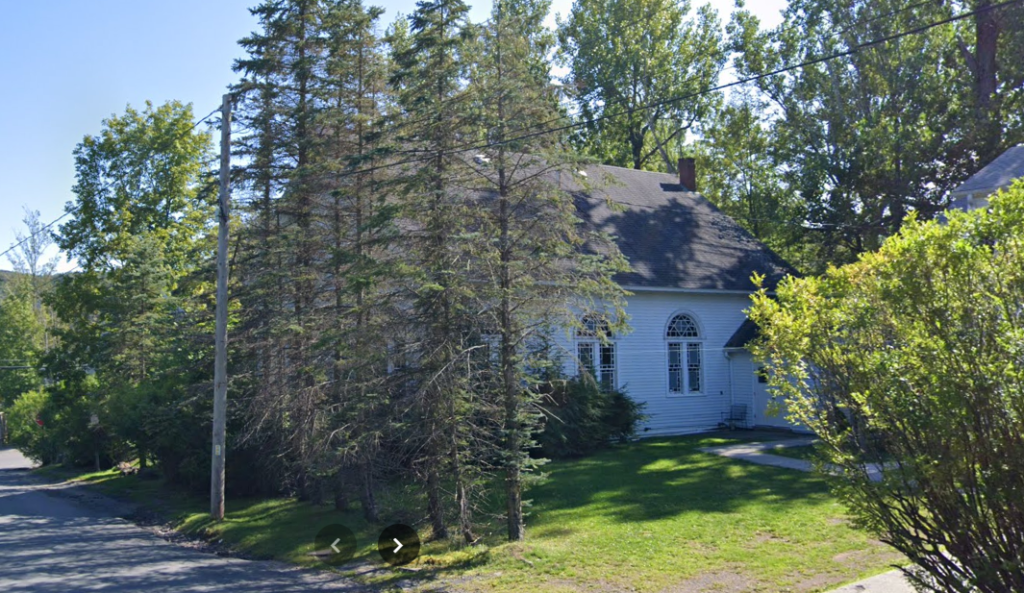
In 1902 the Tannersville Jewish community built the Anshei HaShoran synagogue. The building still stands today, retaining its original beautiful appearance.
Soon illustrious rabbis infused Tannersville with an aura of Torah and holiness. In the 1920s and 1930s, Torah luminaries Rav Baruch Ber Leibowitz, his son-in-law Rav Reuvain Grozovsky, Rav Moshe Mordechai Epstein and Rav Elchonon Wasserman each rested and learned Torah in Tannersville during their busy fundraising trips from Russia and Lithuania. They were followed by Rabbi Joseph Breuer and Rabbi Israel Stein, the Foltichaner Rav from the 1950s to the 1980s. Today, the Bostoner Rebbe of Flatbush Rabbi Pinchos Dovid Horowitz and Rosh Kollel of Yeshiva University Rabbi Hershel Schachter spend their summers in Tannersville. Tannersville is currently home to a thriving Summer Jewish community.
from:
The Jewish History of Tannersville, New York: A Village in the Catskills
(August 23, 2018) by Dr. Gary J. Lelonek
Tannersville: Summer Getaway For Gedolim
By
–
20 Elul 5778 – August 31, 2018
While many big-name kosher destinations in the Catskills have disappeared, one lesser known enclave continues to thrive: Tannersville – centrally located between Hunter, Haines Falls, East Jewett, and Plattekill Mountain.
For over 200 years, Tannersville – named for the tanners and traders of yore – has served as the cool alternative to the hot and humid summers of New York City. As a former trading hub, Tannersville sprouted inns and boarding houses to accommodate traders, which then hosted vacationers from New York City who could afford to spend the summer there.
By the 1880s, Jews started coming to Tannersville in sizable numbers, and in 1902 the community built the Anshei HaShoran synagogue. Retaining its original beauty and charm, the building and synagogue still stands today and continues to provide a rich, warm and welcoming focal point for the thriving Jewish community.
Among other who vacationed in Tannersville in these early years were Solomon Schechter of the Jewish Theological Seminary and Macy’s owner Nathan Strauss. Tannersville was also the home of the annual American Federation of Zionists convention at this time.
In 1902, Solomon Schecheter arrived in America to head the Jewish Theological Seminary. He promptly skipped the Seminary’s final exams and commencement in protest of their lax religious standards and started summering in Tannersville instead. In 1906, he was a central figure at the Zionist convention and endorsed the position that “Zionism is nothing without Judaism.” At the banquet, the crowd of 300 supported Schechter’s position and chanted “Alef! Bez! Gimmel! Daled! Hay! Vav! Zion! Schechter! Schechter! Schechter!”
In the 1920s and ‘30s, illustrious European rabbis infused Tannersville with an aura of Torah and holiness. During their busy fundraising trips from Russia and Lithuania, they rested and studied Torah in Tannersville at the home of Sam and Necha (Annie) Golding. In 1926, Rav Moshe Mordechai Epstein, the venerable Rosh Yeshiva of Knesses Yisrael in Slabodka – whose talmidim included such luminaries as Rav Aharon Kotler, Rav Reuvein Grozovsky, Rav Yaakov Kamenetsky, Rav Yitzchok Hutner, Rav Yaakov Yitzchok Ruderman, and Rav Dovid Leibowitz – was the Goldings’ guest and studied Torah in the gazebo on their property.
Rabbi Yosef Chaim Golding – chief operating officer of Agudath Israel of America and grandson of Necha and Sam Golding – recounts the following anecdote: “HaRav Moshe Mordechai, although not in the best of health, came to the United States to raise funds for his yeshiva, and its expansion to Chevron in Palestine. After one week’s rest, HaRav Moshe Mordechai was ready to leave [Tannersville].
“‘Stay one more month,’ pleaded Mr. Golding. ‘Be our guest. Your health is not the best. After all, what is the most that you could raise in one month?’
“‘If the Ribbono shel Olam helps me,’ said HaRav Moshe Mordechai, ‘I can possibly raise $5,000.’ (Five thousand dollars was considered an astronomically large sum in those days.)
“Without blinking an eye, Mr. Golding countered, ‘If I give you a check for $5,000 today, will you stay with us for one more month?’ After a moment’s hesitation, HaRav Moshe Mordechai answered, ‘Yes!’ and the check was delivered that day!”
In 1928, Rav Boruch Ber Leibowitz (head of the Kneseth Beis Yitzchak Yeshiva in Slobodka and Kamenetz) and his son-in-law Rav Reuvain Grozovsky (head of Kneseth Beis Yitzchak Yeshiva in Kamenetz) made the trek to the Golding’s Tannersville home to rest and study in the same gazebo – as did Rav Elchonon Wasserman 10 years later in 1938.
I was first introduced to Tannersville when I married Mia Slotkin, whose family had long been staples in Tannersville. My wife has said “Growing up in Manhattan, the change of pace and back to nature experience I enjoyed every summer in Tannersville was so refreshing and awe inspiring.”
Tannersville provides all the support systems and establishments necessary for an Orthodox community, and I am excited bringing the next generation into the fold. My kids love it! They spend their days at Camp Sharon, the local day camp, and have so many summer friends there. Yearly, I look forward to attending Rabbi Hershel Schachter’s shiurim after the hashkama minyan, speaking with the Bostoner Rebbe of Flatbush, Rabbi Pinchos Dovid Horowitz, and learning about the history of the great Lithuanian rabbis who rested in Tannersville to Rabbi Joseph Breuer of Washington Heights and beyond.
For me, studying Tannersville’s history provided me a window into the intersection of American and Jewish history. Painter Thomas Cole, writer Mark Twain, boxer Benny Leonard, New York Supreme Court Justice David Leventritt, and moguls from all areas of business and banking spent their summers in Tannersville, sailing up the Hudson before ascending the mountain by horse and carriage and later by railroad and then automobile. The area reached its peak popularity in 1913 when the Ulster and Delaware railroad transported 766,000 passengers to the region.
In conducting research for The Jewish History of Tannersville, New York – which I published last week – I was surprised to discover that the cousin who sponsored my great great-grandparents to come to America was among the founders of the Jewish community.
Now, 130 years later, my family spends time with Jews from all Orthodox backgrounds – including Satmar, Belz, Lubavitch, German-Jewish, Litvish, and Modern Orthodox – who come together to celebrate life events at that very special place called Tannersville.
Dr. Gary Lelonek is the author of the recently-published The Jewish History of Tannersville, New York: A Village in the Catskills. All royalties will be donated to the Tannersville synagogue, Anshei HaShoran.
Historic Catskill Synagogues
In the early years of the twentieth century Jews began arriving in Ulster and Sullivan counties. Their intent, to escape the heat, poverty and crowding of New York City and become farmers. Thousands came and soon each community took to building a synagogue. Most were very small and copied the Eastern European style of their homelands. However, some of the exteriors also reflected the popular Mission style of the day and incorporated stucco and false facades. Around the turn of the twenty-first century, several were added to the National Register of Historic Places. Some are used only on the High Holidays, others only in the summer and a few continue as year round congregations.
An auto-tour has been organized to provide a glimpse of some of the better preserved synagogue buildings. Included is contact information where available. A few have regular services and will welcome you warmly; All evoke a bygone era when Jewish life in the Catskills was thriving.
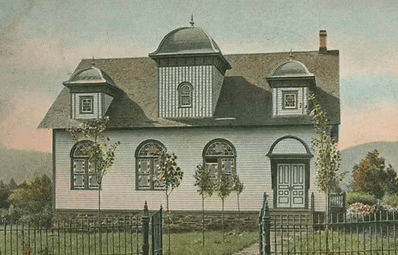
Anshei Hasharon, Tannersville
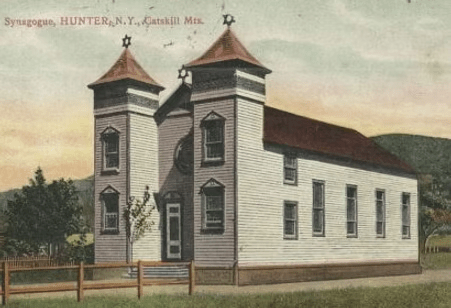
Hunter Synagogue, Hunter
https://www.hudsonvalleyjewishheritagetrail.org/historic-synagogues
 Na va-nad